Recent Post

GTA V Save File Location on PC and How to Find Your Progress ...
Navigating the sprawling streets of Los Santos requires dozens of hours of dedication, making your campaign milestones incredibly valuable. Whether you are upgrading your operating system or shifting to a brand new desktop computer, knowing exactly where your local campaign files reside ensures you never lose a single mission milestone. This comprehensive overview provides clear technical blueprints to help you locate, back up, and safeguard your Grand Theft Auto V story data without unnecessary frustration.
Locating the Standard Rockstar Games Directory
Regardless of whether you launched the game through a specific third-party client, Grand Theft Auto V primarily utilizes a centralized directory within your default user folder structure. For the vast majority of digital configurations on modern software setups, the primary save data is located within your standard system Documents folder. You can easily access this by opening your File Explorer interface and navigating directly to the local Rockstar Games subfolder.
Inside this specific directory, you will find a designated folder named exactly after the game title which houses your personalized profile settings and sequence files. The actual files are stored within a randomized alphanumeric profile folder that represents your unique digital identifier. Keeping this directory clean and knowing its location helps you manually copy files whenever you need to secure your historical records.
Understanding Steam and Epic Games Custom Storage
While the primary directory remains relatively consistent across different ecosystems, retail clients sometimes alter how network synchronization interacts with your desktop files. Players using different computer systems can easily find their targeted directories by entering their specific user profile pathways in the Windows search bar. Manually checking these subfolders ensures that your latest progress matches what is currently stored in the developer cloud network.
Occasionally, cloud synchronization errors or launcher updates might create temporary data disparities that confuse the local operating system. Knowing how to locate these folders manually gives you total control over your digital properties without relying entirely on automated background software. If you ever plan to modify your system variables, creating a duplicate copy of this entire directory is highly recommended.
Safeguarding Your Campaign Records for System Changes
Preserving your criminal empire across Los Santos requires a proactive approach to hardware maintenance and data management. Many enthusiasts prefer to copy their profile folders directly to external solid-state storage drives prior to initiating major system upgrades. This simple precautionary action effectively eliminates the risks associated with unexpected file corruption or sudden storage device failures.
If you encounter synchronization warnings when opening the Rockstar Games Launcher, matching the timestamps on your local documents folder will help you choose the correct timeline. Restoring a previous session is as straightforward as moving your backed-up folder directly back into the official system directory. Taking charge of these files guarantees that your custom progress remains entirely intact for future play sessions.
The Evolution Of Random Prize Distribution ...
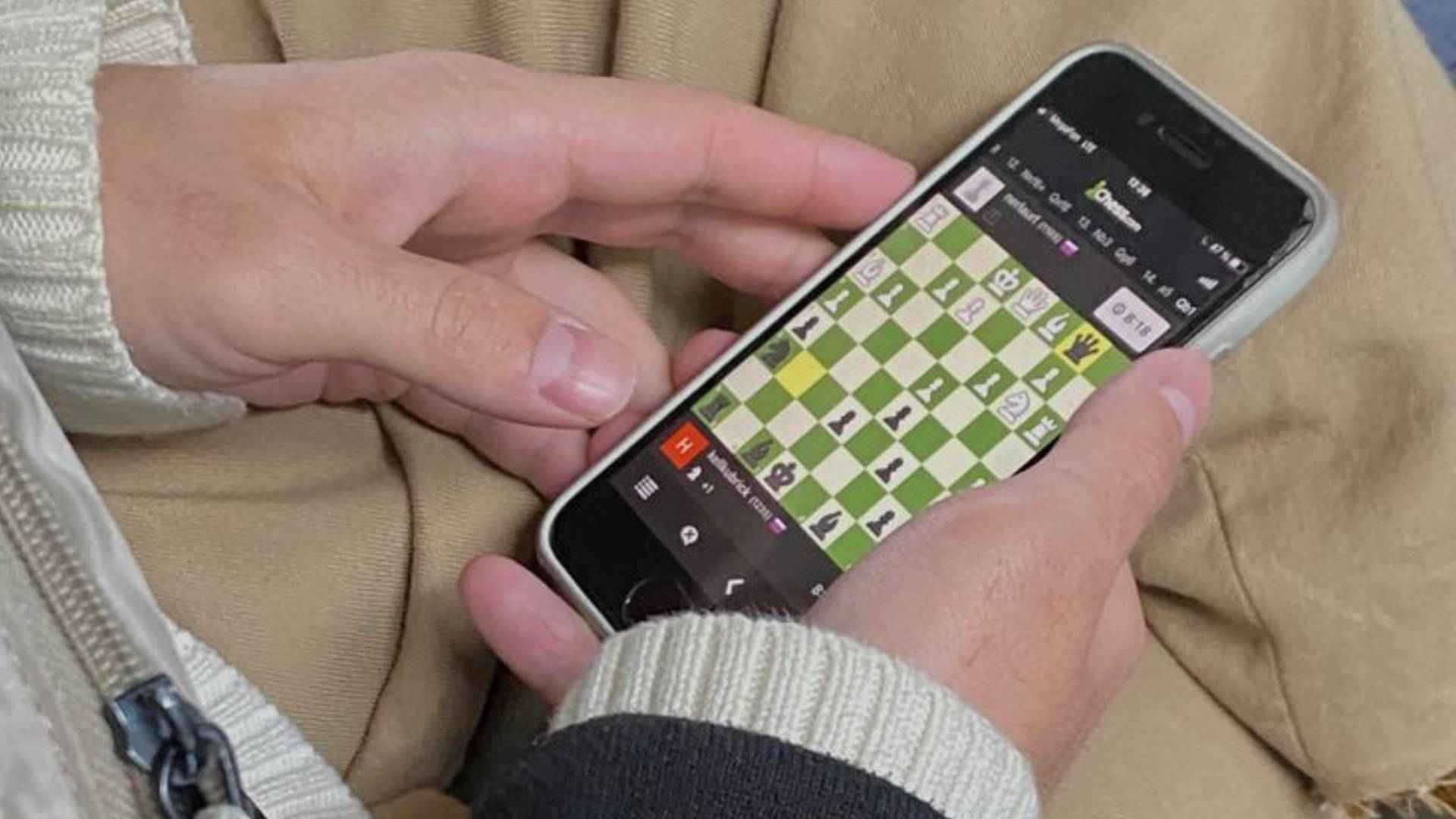
The method by which businesses and gaming platforms distribute promotional incentives has undergone a radical transformation over the past few decades. Moving away from manual drawings and simple ticket drums, modern ecosystems leverage sophisticated mathematical frameworks to allocate rewards dynamically. This shift ensures a level of structural transparency and excitement that traditional models simply could not provide to global audiences.
From Mechanical Raffles to Digital Logic
In the early days of consumer sweepstakes, the distribution of random incentives relied heavily on physical components and manual oversight. Participants collected physical tokens or paper slips, which were then mixed thoroughly before a single winner was pulled from a container. While this mechanism provided clear entertainment value, it lacked the scalability required to support thousands of simultaneous digital users across different regions.
As computing infrastructure advanced, engineering teams successfully replicated these mechanical setups using software algorithms. These automated environments allowed developers to issue instant outcomes, removing geographical barriers and reducing the time required to complete major promotional events. The transition effectively laid the technical groundwork for modern systems that handle millions of real-time entries without experiencing structural delays.
The Mathematical Architecture of Modern Outcomes
Contemporary distribution systems rely almost entirely on Random Number Generation algorithms to ensure absolute impartiality during promotional campaigns. These cryptographic formulas process complex strings of data to guarantee that each submission receives an identical probability of success. By stripping away deliberate human interaction, interactive applications build a reliable foundation of mathematical trust that satisfies sophisticated consumers.
Furthermore, these digital architectures allow platform operators to introduce diverse reward matrices featuring multi-layered tier systems. Users can engage with applications knowing that both minor milestones and major jackpots are governed by the same verifiable logic. For individuals looking to access these advanced entertainment environments securely, completing an m88 msports login provides a direct gateway to modern, algorithmically verified selection systems.
Fostering Inclusivity Through Unpredictability
One of the most profound benefits of modernized random allocation is its capacity to democratize engagement within large player bases. Traditional milestone programs frequently reward users who dedicate massive amounts of time or financial capital, creating structural imbalances. Unpredictable distribution systems flatten this competitive landscape, offering casual participants a realistic opportunity to achieve success at any given moment.
This distinct sense of shared opportunity changes how audiences perceive modern promotional activities. When every participant realizes that a major reveal can trigger spontaneously, baseline motivation levels remain consistently elevated across the entire community. This balance shifts the consumer experience away from predictable point accumulation toward continuous, dynamic entertainment.
The Shift Toward Immersive User Experiences
The contemporary landscape continues to evolve as developers combine raw backend logic with engaging visual interfaces. Instead of presenting winning results as simple text alerts, systems now utilize real-time graphics and progressive animations to emphasize key milestones. This design philosophy transforms routine notification delivery into memorable, sensory-rich events that keep digital spaces vibrant and compelling.

How Participants Learned Their Roles Before Digital Gaming Existed ...
Long before digital tutorials and automated walkthroughs guided players through complex systems, traditional tabletop and parlor games relied heavily on human mentorship and observation. Participants had to absorb structural layouts, tactical responsibilities, and behavioral etiquette directly from the community surrounding them. This communal learning system turned every gathering into a live classroom where gaming history and rules were passed down across generations.
The Power of Live Table Observation
In traditional gaming rooms, newcomers typically spent hours standing behind active players to study the flow of the game before risking their own capital. They had to mentally note card values, dealing patterns, and proper etiquette without any digital assistance. This passive immersion allowed beginners to understand the delicate psychological elements that software programs often fail to replicate.
By watching veterans handle various table situations, novices learned when to take calculated risks and when to hold back. This observational phase was crucial for maintaining the fast pace required at high-stakes tables. Over time, spectators naturally absorbed the rhythmic habits and structural expectations of their preferred gaming variants.
Mentorship and Peer to Peer Guidance
Beyond simple observation, early gaming communities flourished because experienced players actively guided the next generation. Senior members of a salon or club took pride in sharing nuanced strategies that were rarely documented in formal rulebooks. This peer-to-peer training ensured that intricate table responsibilities remained intact across decades of shifting local customs.
Through direct feedback, newcomers corrected their technical errors and refined their personal decision-making skills. For instance, individuals interested in complex financial systems and market fluctuations often studied the allocation methods of an m88 capital to grasp structural risk management. This interactive mentorship transformed abstract numbers into practical, real-world understanding for everyone involved.
The Transition to Active Table Engagement
Once a participant demonstrated sufficient knowledge from the sidelines, they were finally invited to take an active seat at the physical table. Moving from a spectator to a direct player altered the psychological environment, introducing real financial accountability and strategic pressure. Every single round demanded total concentration because automated systems were not present to fix manual counting mistakes.
Active participants had to manage their physical movements, verbal declarations, and chip distributions according to strict institutional guidelines. This hands-on experience solidified the lessons learned during the initial observational months. Through a combination of early mistakes and shared victories, players achieved true table competence and earned their place in the community hierarchy.
Preserving Cultural Etiquette and Custom Variations
Traditional card and parlor games were governed by unwritten behavioral codes that maintained order and mutual respect among competitors. Learning these subtle social signals was just as critical as memorizing the mathematical probabilities of a specific hand. Players who failed to uphold the local etiquette were quickly isolated from future high-society gatherings.
These strict behavioral standards preserved the integrity of the game while allowing regional rule variations to evolve organically. By looking back at this participatory era, modern enthusiasts can appreciate how deeply community interaction shaped early entertainment platforms. Understanding these historic roots provides a much clearer perspective on the automated transitions seen in today's digital gaming landscape.

How Players React When Their Expected Result Never Appears ...
In gaming and chance-based decision mechanics, participants naturally form predictions based on historical patterns and personal logic. When a anticipated outcome fails to materialize after repeated attempts, players undergo a distinct series of psychological shifts. Understanding these reactions offers valuable insight into how human cognition processes probability and persistent uncertainty.
The Initial Denial and Strategy Adjustment
When an expected result does not appear, most players initially assume that success is merely delayed. They often double down on their existing methods, believing that a statistical correction is bound to happen very soon. This tendency stems from the gambler's fallacy, where individuals assume past outcomes directly influence future random events.
As the missing outcome continues to evade them, players gradually pivot toward altering their tactical approach. They may change their timing, select different options, or adopt entirely new routines to test the system. In casual digital environments like boss domino, players frequently experiment with varying setups to see if a fresh strategy breaks the routine.
Cognitive Dissonance and Search for Patterns
Prolonged absence of a predicted outcome creates a feeling of cognitive dissonance in the human mind. Players struggle to reconcile their logical expectations with the actual visual data being presented on screen. To resolve this discomfort, the brain rapidly seeks out hidden patterns or explanations that do not actually exist.
This search for underlying meaning often leads to superstitious behaviors or theories about mechanical bias. Participants may start believing that external conditions or specific times of day dictate the system choices. By constructing these theories, players restore a comforting sense of personal agency over an unpredictable process.
Emotional Fatigue and Surrender of Control
After multiple failed cycles, initial optimism gives way to subtle mental exhaustion and emotional detachment. The high level of focus that marked early attempts begins to dissipate, replaced by a passive observation style. At this stage, players stop trying to predict the exact moment of success and simply let events unfold.
Surrendering control often reduces the immediate anxiety associated with high expectations and frequent disappointment. While some participants choose to step away entirely, others find a calm acceptance in the sheer unpredictability of the mechanic. This transition marks the boundary where active strategy yields completely to passive entertainment.
Designing for Fair Expectations
Understanding these psychological stages allows creators and game designers to build environments that remain enjoyable even during long streaks of missing outcomes. Providing clear transparency around odds helps temper player expectations before engagement begins. Visual feedback and engaging animations can also sustain excitement without relying solely on frequent wins.
Ultimately, how a player responds to absent results depends on their ability to balance hope with mathematical reality. By recognizing the natural urge to seek patterns, players can maintain a healthy perspective on chance-based activities. Embracing uncertainty turns unpredictable moments into lighthearted experiences rather than sources of frustration.

How To Get To Ranger Station Foxtrot ...
Navigating the vast and unforgiving landscape of the Mojave Wasteland in Fallout: New Vegas requires a solid understanding of military geography. Among the various strategic outposts established by the New California Republic, Ranger Station Foxtrot remains one of the most isolated and poorly supplied locations. Reaching this northern outpost can be tricky due to the treacherous terrain and hostile wildlife that surround the area.
Locating the Outpost on the Map
Ranger Station Foxtrot is situated in the northwestern portion of the map, nestled at the foot of a prominent radio mast. It is located directly north of Red Rock Canyon, tucked away inside a desolate dead-end ravine. Because of its obscure position behind the mountains, players often struggle to find a direct path from the major highways.
The outpost serves primarily as a communications hub, meaning its visual profile is dominated by antennae rather than heavy fortifications. It is heavily recommended to look for the tall radio transmission tower cutting into the sky as you approach the perimeter. Keeping your eyes on the horizon will prevent you from getting lost in the winding canyon paths.
The Safest Routes from Nearby Landmarks
The most straightforward method to reach the station safely is to start your trek from the Great Khan stronghold in Red Rock Canyon. From the main canyon floor, you will need to head northward and carefully navigate through the rocky mountain passes. Be prepared to face steep elevation changes that can slow your movement and make you vulnerable to ambushes.
Alternatively, players can approach the area by traveling northwest from the Bitter Springs region or Jacobstown. Navigating the rugged wilderness requires constant vigilance, especially when climbing the steep cliffsides. For gamers seeking alternative historical adventures, taking a look at can provide a refreshing change of pace before returning to the wasteland.
Overcoming Environmental Hazards and Wildlife
The path leading up to the communications tower is notoriously dangerous due to the native predators roaming the surrounding valleys. Cazadores and mutated insects frequently establish nesting grounds along the narrow mountain ridges, making high-impact weaponry essential. Ensuring your inventory is stocked with plenty of Antivenom before departing will save you from a quick demise.
Aside from the wildlife, navigating the dead-end canyon means you can easily be cornered by roaming Viper raiders. Maintaining a stealthy approach or utilizing long-range scouting rifles will allow you to clear the path before entering tight spaces. Once you bypass these tactical hurdles, the friendly NCR personnel at the station will offer a safe zone to rest and recuperate.
Why Your Body Sometimes Knows You Are Tilting First ...
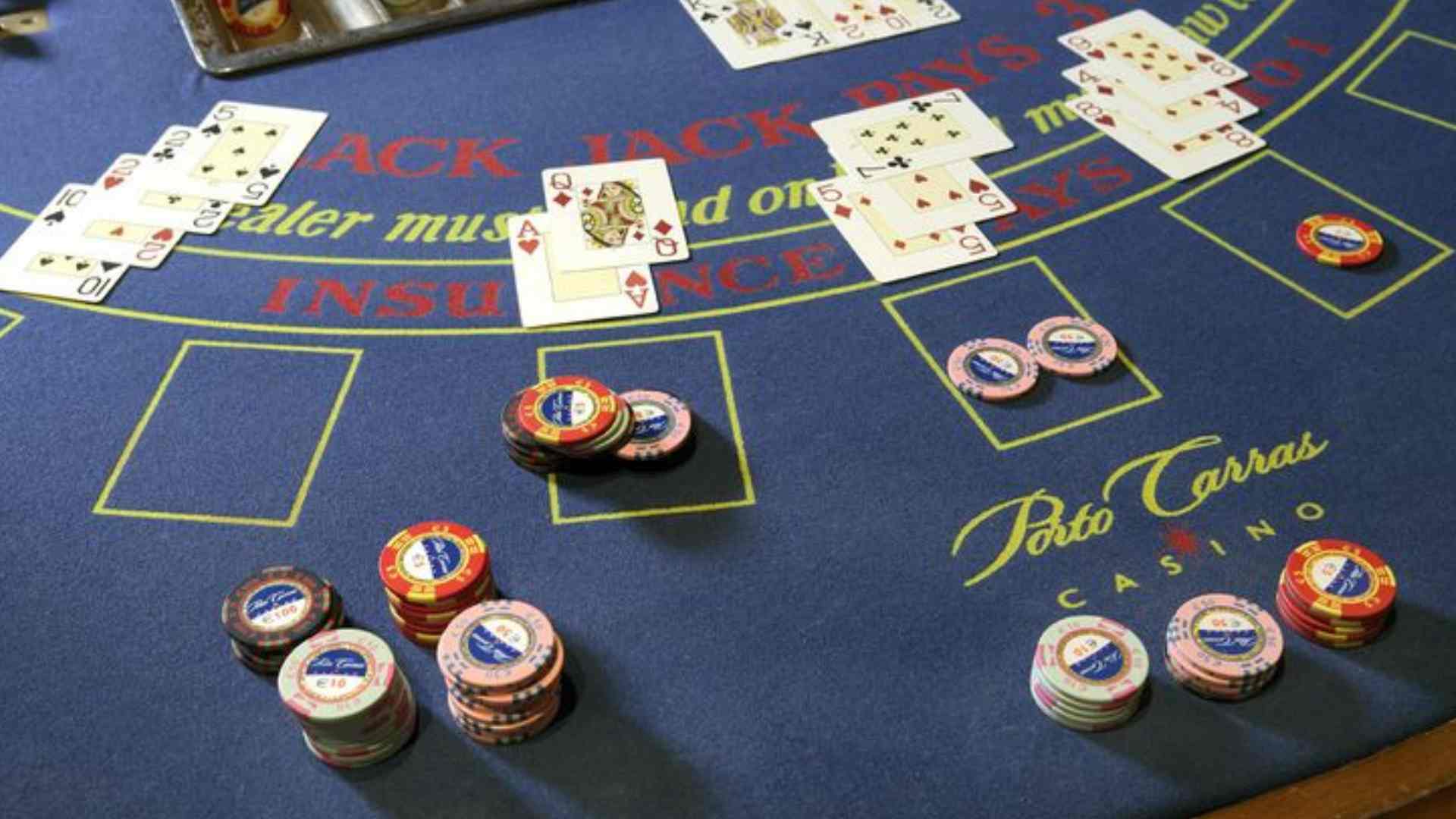
In high-stakes strategic games, players often believe that emotional loss of control originates in the conscious mind. However, physiological responses frequently trigger long before any logical realization of frustration or anger takes place. Understanding how your physical system signals impending tilt can serve as an invaluable early warning mechanism during intense decision-making sessions.
The Biology of Rapid Emotional Shifts
When an unexpected loss or bad beat occurs, the nervous system reacts almost instantaneously to perceived psychological threats. Stress hormones like adrenaline flood the bloodstream, accelerating heart rate and causing muscles to tighten automatically. These subconscious reactions happen long before the brain processes the full emotional impact of the situation.
Subtle physical indicators such as a clenched jaw, shallower breathing, or sudden restlessness are typical signs of subtle stress accumulating. Many competitive players visit a trusted m88 link alternatif to practice maintaining emotional composure and monitoring their physical stress signals under real table conditions. Recognizing these automatic somatic cues allows individuals to intervene before emotional impulses compromise sound strategy.
Interoception as an Early Warning System
Interoception refers to the brain's internal ability to detect and process physiological signals originating from inside the body. High-performing competitors possess strong interoceptive awareness, allowing them to recognize micro-changes in temperature or muscle tension immediately. This heightened physical intuition acts as a critical line of defense against poor decision-making.
When a player ignores physical discomfort, the brain gradually loses its capacity to weigh risk objectively. Over time, unaddressed physiological stress translates into impulsive choices and irrational aggression. By tuning into physical warnings early, strategists can pause and reset before irrational behavior manifests in their play.
Restoring Control Before Strategic Breakdown
Regaining mental clarity requires deliberate physical adjustments designed to calm the sympathetic nervous system. Simple practices like taking deep diaphragmatic breaths or intentionally relaxing the shoulders send immediate signals of safety back to the brain. These simple physical shifts help lower elevated heart rates and reduce internal tension.
Building routine self-checks during competitive sessions helps turn somatic awareness into a powerful habit. Taking regular short breaks allows the body to discharge built-up stress and maintain long-term mental endurance. Ultimately, listening to physical indicators ensures that strategic judgment remains sharp and rational throughout demanding games.
Disney Dreamlight Valley Cannoli Recipe Explained ...
Cooking within the magical confines of Disney Dreamlight Valley is a core gameplay mechanic that allows players to discover unique culinary creations. Preparing diverse meals helps you restore vital energy, complete specialized character quests, and build strong friendships with iconic villagers throughout the valley. Among the various sweet treats available, the traditional cannoli stands out as an elegant dessert option for players looking to expand their collection of multi-star recipes.
Understanding the Cannoli Recipe Structure
The cannoli is classified as a four-star dessert recipe within the extensive cooking catalog of the game. This means you will need to gather exactly four specific ingredients to successfully assemble this iconic pastry at any cooking station. Mastering this specific combination ensures you can easily prepare the dish whenever a villager requests it at Remy's restaurant.
While some dessert options allow for flexible ingredient substitutions, this pastry requires precise components to achieve the correct result. Understanding where to locate each required item across the various biomes will save you valuable time during your daily farming adventures. Gathering your materials beforehand makes the entire preparation process fluid and efficient.
Required Ingredients for the Pastry
To successfully prepare a fresh plate of cannoli, you must first gather one portion of wheat, one carton of eggs, one block of cheese, and one stick of vanilla. Wheat serves as the base structure for the pastry shell and can be easily purchased as seeds or fully grown crops from Goofy's stall in the Peaceful Meadow. Eggs and cheese must be purchased directly from the pantry shelves inside Chez Remy after unlocking the famous chef.
The final crucial component is vanilla, which grows naturally as a wild forageable plant sticking out of the ground. Players can discover vanilla scattered across the ground specifically within the Sunlit Plateau biome. Gathering all four ingredients allows you to safely approach any cooking pot to begin the baking process.
How to Cook and Use the Dessert
Once you have all the necessary elements in your inventory, interact with a cooking station and place one wheat, one egg, one cheese, and one vanilla into the pot. You will also need one piece of coal ore to fuel the fire and initiate the culinary process. After a brief animation, the game will permanently save the recipe to your collection for quick automatic selection in the future.
Serving this delicious four-star dessert provides a substantial energy boost when consumed by your avatar during intense resource gathering sessions. It can also be sold at any of Goofy's stalls around the map if you are looking to earn extra Star Coins quickly. Additionally, giving the pastry as a daily favorite gift to characters like Mirabel or Olaf will significantly accelerate your friendship progression mechanics.

How To Avoid Emotional Decisions During Bridge Matches ...
Maintaining emotional control during competitive bridge matches is one of the most critical factors for long-term success. When feelings of frustration, anxiety, or overconfidence take over, players often make hasty bidding choices or miscalculate card distributions. Developing psychological discipline allows competitors to evaluate hands objectively and achieve consistent results at the table.
Recognizing the Triggers of Emotional Tilt
Emotional instability at the bridge table usually stems from recent mistakes, unexpected bad breaks, or partner miscommunications. When a previous hand goes poorly, players frequently experience a mental hangover that distorts their judgment on subsequent boards. Identifying these internal reactions as they occur is the essential first step toward preventing costly tactical errors.
External pressure from tournament clocks or aggressive opponents can also trigger impulsive decision-making. Taking a momentary pause before placing a card or bid helps break the cycle of immediate emotional reactions. Experienced players train themselves to view every new board as an entirely independent strategic problem.
Implementing Brief Mental Reset Routines
Establishing micro-routines between hands provides a reliable buffer against emotional stress. Simple physical habits, such as taking a deep diaphragm breath or adjusting your seating posture, signal to the brain that it is time to refocus. These small actions help clear lingering thoughts about past results and restore analytical clarity.
For players exploring online platforms or digital card rooms using an m88 link, maintaining a calm approach remains equally vital. Stepping away from the screen for a short break between online sessions prevents cumulative mental fatigue. Consistent reset habits ensure that strategic logic always prevails over momentary feelings.
Fostering Strong Partnership Dynamics
Bridge is fundamentally a collaborative game, meaning that emotional reactions often directly impact your partner's performance. Displaying visible frustration over a partner's mistake creates tension and disrupts communication for remaining boards. Constructive partnerships thrive on mutual support, trust, and a shared commitment to composure under pressure.
Agreeing in advance to defer hand analysis until after the match prevents mid-game arguments and keeps focus centered on current play. Supportive body language and calm signaling help stabilize the table environment during difficult stretches. Maintaining harmony within the partnership significantly reduces overall stress levels.
Focusing on Process Over Short-Term Outcomes
In strategic card games, even perfectly executed plays can occasionally fail due to bad luck or unexpected card layouts. Players who evaluate their performance solely on immediate scores often fall trap to emotional highs and lows. Shifting focus toward making sound, probabilistic decisions creates long-term resilience and emotional stability.
Reviewing completed matches with an objective mindset helps players learn from genuine tactical errors rather than emotional missteps. Treating every match as an opportunity to refine decision-making skills fosters steady progress. Over time, prioritizing sound analytical process over immediate outcomes ensures lasting success in competitive bridge.

The Importance Of Confidence When Taking On Defenders ...
Facing a disciplined backline is one of the most mentally demanding challenges an attacking football player can encounter during a match. While technical skills like speed and precise footwork are essential, the psychological belief in one's own capability often determines the outcome of a one-on-one duel. Without a baseline of absolute certainty, even the most gifted athletes can find themselves hesitant and easily dispossessed by an aggressive opponent.
The Psychology of the One-on-One Duel
When an attacker drives directly toward a defender, a complex psychological battle unfolds alongside the physical contest. True confidence eliminates the hesitation that often allows a backline to reset its structure and close down open spaces. When a forward moves with absolute conviction, it forces the opposing player to retreat and commit to a reactive defensive stance.
Hesitation is a defender's greatest ally because it gives them time to read the attacker's body language and predict their next movement. Developing a fearless mindset ensures that you execute your dribbles and body feints with maximum sharpness and speed. This mental edge transforms standard tactical patterns into unpredictable attacking situations that disrupt organized defensive units.
Overcoming the Fear of Turning Over Possession
Many young players struggle to take risks on the pitch because they are deeply afraid of making a mistake or losing the ball. However, elite attackers understand that failure is an inevitable part of breaking down a compact defensive system. Accepting that some attempts will not succeed allows a player to maintain an aggressive mindset throughout the entire ninety minutes.
When you play without fear, you become significantly more difficult to contain because your movements remain fluid and instinctive. For fans looking for tactical insights or trying to find out where to watch football to see elite forwards dominate in real-time, observing this specific psychological trait is incredibly educational. Cultivating resilience ensures that a single intercepted pass or failed dribble does not destroy your effectiveness for the rest of the match.
How Confidence Directs Physical Execution
There is a direct biological link between an athlete's mental state and their immediate physical performance on the pitch. A confident player maintains a low center of gravity and executes explosive changes of direction with complete commitment. When self-doubt creeps in, muscles tighten up and your reactions become noticeably slower and easier to anticipate.
Believing in your technical training allows your body to react naturally to the defender's positioning without overthinking the mechanics. This seamless connection between mind and body is what separates average wingers from world-class attackers who can unlock tight games. Consistent practice under high-pressure scenarios is the most reliable way to build this automatic physical responsiveness.
Building Self-Belief Through Targeted Practice
Developing unwavering confidence on the matchday requires dedicated preparation and repetition inside a structured training environment. Simulating tight one-on-one scenarios during practice helps athletes adapt to the physical pressure applied by aggressive defenders. As you repeatedly find ways to navigate through compressed spaces, your baseline anxiety naturally decreases.
Coaches play a vital role in this development by encouraging creative expression and supporting players when risks do not immediately pay off. Success in competitive matches is simply a reflection of the positive habits built during everyday training sessions. Once an attacker experiences the thrill of beating their opponent repeatedly, their entire approach to the game changes permanently.

Persona 5 Matador With Magaru Fusion Guide ...
Fusing specific Personas with designated abilities is one of the most important mechanics for progressing the Strength Confidant in Persona 5. Ranking up the Twin Wardens, Caroline and Justine, requires fulfilling unique fusion requests throughout your journey in the Velvet Room. One early challenge involves creating a Matador that possesses the multi-target Wind skill Magaru, which tests your understanding of inheritance mechanics.
Understanding the Strength Confidant Requirement
The Twin Wardens ask players to present a Matador with Magaru to unlock Rank 3 of the Strength Confidant. Completing these Velvet Room tasks grants essential bonuses, including advanced fusion capabilities and price discounts. Fulfilling this request early helps maintain a steady pace for social link progression.
Unlike standard fusions where skills are learned automatically upon leveling, this task demands intentional skill transfer during the fusion process. Players must select base Personas that can pass down Magaru directly to Matador. Planning your ingredients beforehand saves significant time and in-game money.
Best Persona Combination for Matador
One reliable method to fuse Matador with Magaru involves combining Nekomata with Mokoi. Nekomata belongs to the Hermit arcana and naturally learns Magaru at level 17, or can inherit it from earlier Personas. Combining Nekomata with the Death arcana Mokoi results in the Death arcana Matador carrying the required skill.
Another common recipe utilizes Regent, a Treasure Demon encountered in early Palaces and Mementos. Fusing Regent with a Persona like Mokoi or Obariyon can easily yield Matador while allowing skill inheritance. Utilizing Treasure Demons simplifies the process by reducing the need for intermediate leveling.
Inheriting and Confirming the Skill
Before confirming the fusion in the Velvet Room, carefully inspect the skill selection screen. You must manually check Magaru so that Matador retains it after the fusion completes. Forgetting to select the skill will require repeating the process or using a Skill Card.
If your ingredient Personas lack Magaru, you can also use a Magaru Skill Card directly on Matador. Skill Cards offer a quick alternative if you already have one in your item inventory. Once Matador enters your active lineup with Magaru equipped, speak to Justine to trigger the Rank 3 event.
Maximizing Velvet Room Benefits
Ranking up the Twin Wardens provides substantial gameplay advantages throughout your playthrough. Unlocking higher rank perks allows you to fuse Personas above your current level for a fee, drastically enhancing combat readiness. Keeping up with fusion requests ensures you stay prepared for challenging boss encounters.
Managing your Persona registered list in the Compendium allows you to summon key fusion ingredients whenever needed. Re-registering Personas after they learn crucial skills makes future request chains much easier to complete. Efficient Velvet Room management remains a cornerstone of success in Persona 5.
Semua artikel sudah ditampilkan.